
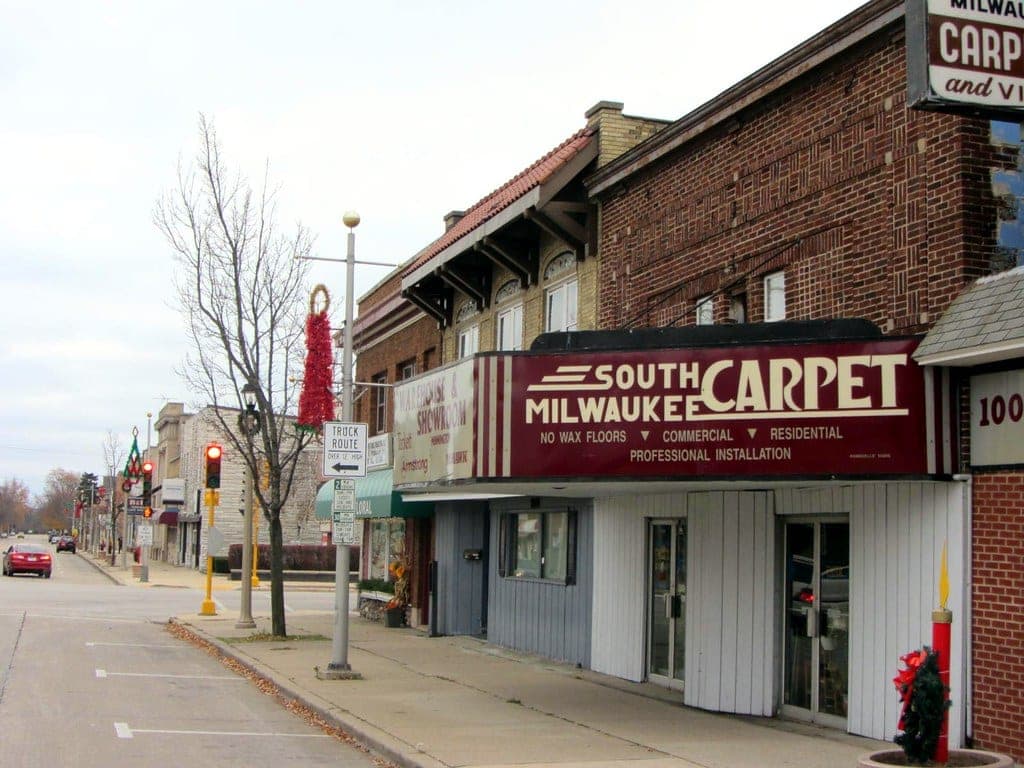
Everyone thinks city businesses have the online advantage. Bigger budgets, bigger teams, bigger brand recognition. Yeah, in a major metro fighting for "best restaurant Chicago" that's probably true. But that's not the game rural businesses play. And honestly. The game they play is way easier to win.
I want to explain why because a lot of small-town owners have convinced themselves digital isn't for them. It's not true. It's actually one of the only arenas where being local and specific is a superpower.
"Google does not care how big your marketing budget is. It cares whether you are the most relevant result for a specific search. In a small town, relevant is easy to be."
The competition is basically nonexistent
Google "plumber in [small town]" or "auto repair near [rural county]." Half the time it's sad. Businesses with no website. Outdated listings. Zero reviews. Profile photos that look like they were taken on a flip phone in 2009. That's your competition. Not Amazon. Not some startup with funding. The guy down the road who hasn't thought about his Google presence since 2015.
That means a decent website with some basic local SEO can put a rural business at the top of results in weeks, not years. The bar is low because almost nobody's cleared it.
Authenticity is actually a ranking signal now
Google and AI are getting better at seeing the difference between generic corporate content and content from a real person with real experience in a real place. A local business that talks about their town, their customers, their community, their craft. That beats generic content from a national chain every single time in local search.
You can't fake being from somewhere. That's a moat no big brand can cross. A hardware store that's been in Beaver Dam since 1987 has a story, credibility, and local authority that a Home Depot down the road will never replicate online. The trick is making sure Google and your customers can actually see that story.
What to actually do with this
First, get a real website. Not a builder template. A proper one that's fast and built with your location and services in mind. Second, set up and fill out your Google Business Profile completely. Real photos. Real descriptions. Third, ask existing customers for reviews. Twenty real five-star reviews from people who know your business beats a national chain's generic rating in local search every time.
None of this is hard. It just needs someone to actually do it. Most of your local competitors haven't. That's an opening. Walk through it.